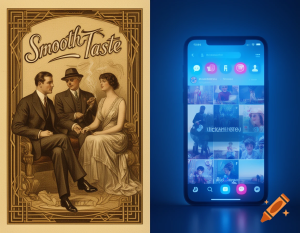
If you were a child in the 1950s, 60s, 70s, 80s or even the 90s, your dreams were shaped by very different figures than the ones on TikTok today. Kids weren’t scrolling social media feeds showing filtered selfies, private yachts, and ‘anatomically enhanced’ body parts. They were reading newspapers, comic books, and the occasional magazine, and their aspirations were influenced by public figures whose fame was built on talent, courage, or accomplishment.
In the 1950s, many children idolised astronauts, actors like James Dean, or sports stars such as Bobby Moore. The space race was a real-world fairy tale; if you wanted to do something big, you might become a pilot, an engineer, or a star athlete. In the 1960s, the Beatlemania phenomenon took over, but even then, the Beatles were lauded for their music, style, and charisma, not for doing something outrageous online. By the 70s and 80s, movie stars, pop icons like Madonna, and pioneering women like Sally Ride, the first American woman in space, were figures children looked up to. The 90s brought a mix of boy bands, TV personalities, and the first major celebrity entrepreneurs. These were people who were aspirational in terms of talent, career, or breaking new ground.
Today, the landscape is entirely different. Social media has shifted the metrics of success. A teenager can scroll through Instagram or TikTok and see young people paid to display wealth, sexualised bodies, partying lifestyles, or private yachts. 0-listers with cosmetic enhancements, lavish lifestyles, and massive followings often earn more than respected professionals or artists because the algorithm rewards attention, not accomplishment. Real examples include influencers who make six-figure incomes simply by posting videos that involve showing off their surgically enhanced bodies, drinking, smoking, or flaunting luxury items. Some of these figures attract millions of followers without ever demonstrating a particular skill or contribution to society. Then we have the household chefs – oh that’s how you make a cheese on toast – wow!
For children growing up today, the models of aspiration are tangled. Pop idol auditions, viral TikTok dances, and social media challenges seem like viable routes to fame. A child dreams of becoming the next 10 million follower account instead of the first female astronaut or a groundbreaking scientist. When you compare the two, the stakes are very different. In past decades, aspiring to become a doctor, engineer, or artist demanded learning, practice, and resilience. Now, the route to financial and social rewards can appear shorter if you are willing to commodify your appearance or private life.
Does this matter – I believe so.
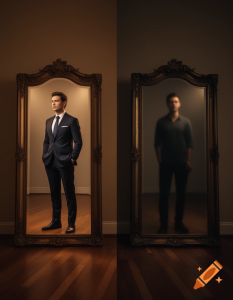
When the role models rewarded by society are primarily those with enhanced bodies, extravagant consumption, and online notoriety, children may internalise the idea that their value is tied to appearance, virality, or the number of private encounters they can monetise. The humour in this is stark: once we were telling girls they could grow up to be the first woman on Mars, now some might believe their ultimate success is measured in likes, followers, and a hypothetical ‘2000 male encounters in a single day’. The contrast is jarring and absurd but not harmless.
Of course, not every social media user is affected in the same way. Some young people still admire scientists, athletes, and artists, and there are platforms where talent and innovation are recognised. But the algorithm-driven economy favours spectacle, attention-grabbing antics, and, often, sexualisation over substance. Parents, educators, and society face a challenge: how do we help children distinguish between a sustainable, skill-based aspiration and a viral, short-lived attention grab? How do we encourage kids to still dream of Mars when TikTok rewards yacht selfies?
Ultimately, the shift from heroes to hashtags reflects broader cultural and technological change. The danger lies not in social media itself, but in what society chooses to reward. If fame is now measured by attention rather than achievement, children may grow up with distorted priorities. They may seek rapid online validation over long-term skill and accomplishment. They may confuse notoriety with respect and believe that audacity and exposure replace dedication and talent. Why study when they can get a ring light, borrow Mum’s underwear and heels and twerk in their room?
For adults, the task is clear: show children that aspiration can still involve real achievement, resilience, and creativity, even if the internet makes other options look like the fastest route to recognition. Not an easy task when social media reenforces the notion that this is a career and road to financial success…
References:
NASA. (n.d.). Sally Ride Biography. NASA.gov
Robinson, J. (2020). Jackie Robinson: Breaking Baseball’s Colour Barrier. National Baseball Hall of Fame
Beatles Official. (n.d.). The Beatles Timeline. TheBeatles.com
Smith, A. (2023). Influencer Economy: Social Media Stars and Their Earnings. Journal of Digital Culture
Brown, K. (2022). The Psychological Impact of Social Media Role Models on Teenagers. Child Development Perspectives