https://www.youtube.com/watch?v=u1ZvPSpLxCg
There is a line in The Matrix that has aged frighteningly well:
“What is real?”
Back in 1999 it sounded like clever sci-fi philosophy wrapped inside leather coats, kung fu and green computer code. Now it feels less like fiction and more like a documentary that arrived twenty years early. Because the uncomfortable truth is this: most people are not entirely living by conscious choice. They are living by programming.
Not computer programming in the literal sense, although algorithms are having a good go at that too. Human programming. Social programming. Cultural programming. Emotional programming. The invisible scripts downloaded into us from childhood onwards.
Go to school.
Get good grades.
Get a respectable job.
Work harder.
Buy more things.
Keep quiet.
Fit in.
Don’t upset the system.
Repeat until retirement or death.
It is remarkable how many people never once stop to ask who wrote the script. That is the Matrix. Not giant robot squids. Not floating pods. Not dystopian machines harvesting humans like Duracells. The real Matrix is subtler than that. It is the system of beliefs, fears, routines and expectations so normalised that people mistake them for reality itself.
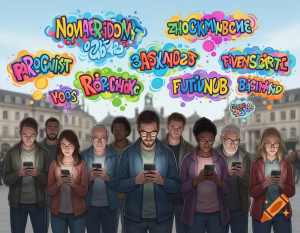
Look at social media. Millions of people wake up and immediately check apps designed by corporations whose entire business model depends on keeping human attention trapped for as long as possible. People now photograph meals before eating them because somewhere along the line external validation became more important than the actual experience. That is programming.
Look at consumer culture. Every year perfectly functional phones are replaced because a new one has slightly shinier edges and a camera capable of detecting individual pores from space. Entire identities are now built around brands. That too is programming.
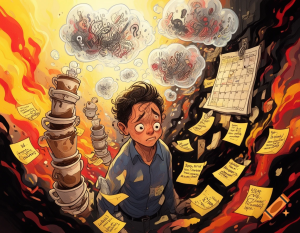
Look at work culture. People proudly destroy their own mental health to impress companies that would replace them before the office biscuits go stale. Exhaustion has become a status symbol. Programming ? Probably…
The genius of the Matrix in the film was not that people were trapped. It was that most of them did not want to leave. The system gave comfort, familiarity and certainty. Humans cling to familiar suffering far more than uncertain freedom. That part was brutally accurate. You can see it whenever somebody starts questioning things publicly. Not conspiracy nonsense necessarily, just basic uncomfortable questions.
Why are we all permanently stressed?
Why does success still leave people empty?
Why are anxiety and loneliness exploding despite being more digitally connected than ever?
Why do people spend their lives chasing lifestyles they secretly do not even enjoy?
The moment someone asks questions like that, the reaction is often hostility. People become defensive because questioning the system threatens the emotional scaffolding holding their own lives together. Again: pure Matrix.
In the film, Neo’s awakening begins with a feeling that something is “wrong with the world”. Most awakenings start exactly like that in real life too: quietly, subtly. A persistent sense that everyone is sprinting somewhere without knowing why.
For some people it starts after grief. Losing someone strips away illusion with terrifying efficiency. Suddenly office politics, fake networking smiles and arguments over kitchen renovations feel absurdly small compared to mortality. Maybe that’s what has happened to me after losing a colleague..
For others it comes through burnout. You work yourself into the ground chasing a version of success society promised would bring fulfilment, only to arrive there emotionally empty. Congratulations, you climbed the ladder and discovered it was leaning against the wrong wall.
Some wake up through travel. Others through meditation, philosophy, illness, heartbreak or simply getting older and noticing patterns repeating endlessly.
And then comes the difficult part; looking outside the Matrix sounds exciting until you realise how uncomfortable it actually is. Because once you begin seeing the systems around you, you cannot fully unsee them.
You notice how outrage is monetised.
How fear drives news cycles.
How advertising manufactures insecurity before selling the cure.
How tribal politics keeps populations fighting each other instead of questioning larger structures.
How people confuse busyness with meaning.
You start noticing that many conversations are scripted performances rather than genuine thought. Entire personalities are copied from TikTok trends, influencer culture or political tribes. At first this can make people cynical. Some become detached from society entirely, convinced everything is fake. That is one of the traps too.
The point is not to become some bloke in a basement muttering that reality is an illusion while eating dry cereal from the box. The point is awareness. Conscious participation instead of automatic obedience. Neo did not wake up so he could sit in a cave whining about the Matrix. He woke up so he could choose – that is the key difference.
People outside the Matrix still live in the world. They still work jobs, pay bills and buy groceries. But internally something changes. They become less programmable.
They stop needing constant approval.
They become harder to manipulate through fear.
They think before reacting.
They choose values consciously instead of inheriting them blindly.
They stop confusing popularity with truth.
Most importantly, they become capable of sitting alone with their own thoughts without needing endless distraction. That is rarer than people think.
Modern life is essentially one giant anti-silence machine. Notifications, streaming, scrolling, podcasts, adverts, noise everywhere. Silence is dangerous to systems because silence leads to thinking, and thinking leads to questioning. And questioning is where the cracks begin.
The irony is that many people sense all of this already. You can hear it in conversations. That exhaustion with modern life. That strange feeling that despite all our technology, convenience and connectivity, something human has quietly gone missing.
Maybe that is why The Matrix still resonates so deeply decades later. Underneath the action scenes and special effects was a very old philosophical idea: Most people are asleep inside systems they never consciously chose. The frightening part is not the idea itself. The frightening part is how normal it all feels.
What do you reckon?