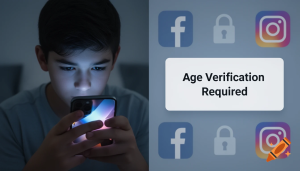
Home technology has become so woven into everyday life that most of us barely notice it anymore. Smart speakers answer questions, doorbells show us who is outside, televisions connect to the internet, and children often move seamlessly between phones, tablets, laptops and games consoles. The convenience is undeniable: we can control heating from a smartphone, monitor our homes remotely and communicate instantly with people across the world. However, every piece of connected technology introduces potential risks.
While many discussions focus on the benefits of digital innovation, it is equally important to understand where things can go wrong. Most harms are not caused by technology itself but by the way it is designed, used, configured or exploited by others. Understanding these risks allows households to enjoy the advantages of technology while reducing exposure to unnecessary dangers. Here are the ten most significant harms I feel are associated with home technology and what could be done to minimise them.
- Loss of Privacy
Many connected devices collect significant amounts of information about users. Smart speakers may process voice commands, televisions can track viewing habits, apps collect location data and websites monitor browsing behaviour. Individually these data points may appear harmless, but together they can create highly detailed profiles of household members.
The best way to reduce privacy risks is to regularly review privacy settings, disable unnecessary permissions, limit data sharing where possible and delete unused accounts. Households should also consider whether a connected device genuinely needs access to microphones, cameras or location information before granting permission. Review these settings regularly as updates seem to often “reset” our preferences to baseline…
- Cybercrime and Hacking
Home networks are attractive targets for cybercriminals because they often contain multiple connected devices with varying levels of security. A compromised device can provide access to personal information, financial details or other connected systems within the home.
Risk can be reduced by using strong unique passwords, enabling two-factor authentication, updating software regularly and either replace devices that no longer receive security updates or remove their internet access (I have a fab ASUS all in one running an older version of Windows – it’s great for composing and editing presentations and when complete I just transfer the file via a removable device). A secure home Wi-Fi network remains one of the most effective defences against cyber intrusion.
- Online Scams and Fraud
Fraudsters increasingly exploit technology to reach potential victims through email, text messages, social media, messaging apps and fake websites. Modern scams can be highly convincing and often imitate trusted organisations.
Households should verify requests independently before sharing personal information or making payments. Taking time to pause and check authenticity remains one of the most effective safeguards against online fraud. Have regular conversions with other members of your household.
- Children’s Exposure to Inappropriate Content
Children can encounter violent, sexual, extremist or otherwise unsuitable material through websites, social media platforms, video-sharing services and online gaming environments. Exposure may occur accidentally or through recommendation systems that promote increasingly extreme content.
Parents and carers can reduce risks through age-appropriate settings, parental controls, active supervision and ongoing conversations about what children may encounter online. Technology tools help, but engagement and communication remain equally important.
- Online Grooming and Exploitation
Digital platforms provide opportunities for offenders to contact, manipulate and exploit children and vulnerable individuals. Communication may occur through gaming platforms, messaging apps, social media or seemingly innocent online communities.
Reducing risk requires education about online relationships, careful management of privacy settings, monitoring of younger children’s online activities and encouraging open communication so concerns can be discussed without fear of punishment.
- Excessive Screen Time
Technology can easily consume large portions of the day. Extended screen use may affect sleep, physical activity, social interaction and overall wellbeing, particularly among children and teenagers.
Families can minimise this risk by creating device-free times and spaces, encouraging outdoor activities and maintaining healthy routines around sleep, meals and exercise. The goal is balance rather than complete avoidance.
- Cyberbullying
Unlike traditional bullying, cyberbullying can follow victims into their homes and continue around the clock. Harmful messages, rumours, exclusion and harassment can spread rapidly through digital platforms.
Reducing risk involves understanding reporting tools, saving evidence when incidents occur and fostering environments where victims feel comfortable seeking support. Schools, parents and platform providers all have important roles to play.
- Financial Loss Through Technology Misuse
Accidental purchases, subscription traps, in-app spending and fraudulent transactions can create significant financial consequences. Children may not fully understand the implications of digital purchases, while adults can be caught out by misleading practices.
Families should review account settings, require approval for purchases, monitor subscriptions regularly and check financial statements for unusual activity. Small charges often provide the first indication that something is wrong.
- Domestic Surveillance and Monitoring
Connected cameras, tracking applications and smart devices can be misused by individuals seeking to monitor partners, family members or housemates without consent. Technology designed for safety and convenience can sometimes be repurposed for control and coercion. They can also “inform” when you leave your home, sometimes by something as innocuous as a wrist based exercise app – while you’re out exercising, you are not at home…
Minimising risk requires understanding what devices are installed, reviewing account access permissions, changing passwords after relationship breakdowns and regularly checking connected devices linked to household accounts.
- Overdependence on Technology
Many households now rely on technology for communication, entertainment, navigation, shopping, banking and even basic household functions. When systems fail due to outages, cyberattacks or technical faults, people can find themselves unable to complete everyday tasks.
Building resilience means maintaining alternative ways of carrying out essential activities. Keeping important contact information offline, retaining basic digital skills and having contingency plans can reduce disruption when technology is unavailable.
The challenge facing modern households is not whether to use technology but how to use it wisely. Connected devices offer remarkable convenience and opportunities, but every benefit comes with responsibilities. By understanding the most common harms and taking practical steps to address them, families can enjoy the advantages of home technology while significantly reducing their exposure to risk.
Technology is now part of the fabric of everyday life. The safest homes are not those that avoid technology altogether, but those that approach it with awareness, informed decision-making and a healthy degree of caution.
FAQs
What is the biggest risk associated with home technology?
Privacy loss and cybercrime are often considered the most significant risks because they can affect every member of a household and may lead to financial, emotional and security consequences.
Are smart home devices safe?
Most smart home devices are reasonably safe when properly configured and regularly updated. Problems often arise when default passwords remain unchanged or security updates are ignored.
How can families improve digital safety at home?
Strong passwords, software updates, parental controls, privacy reviews and regular discussions about online behaviour provide a strong foundation for digital safety.
Why do hackers target home devices?
Home devices often contain valuable personal information and may be less securely protected than business systems, making them attractive targets for cybercriminals.
Can technology affect children’s wellbeing?
Technology can influence sleep, physical activity, attention and social development. Balanced use, supervision and healthy routines can help reduce these risks.